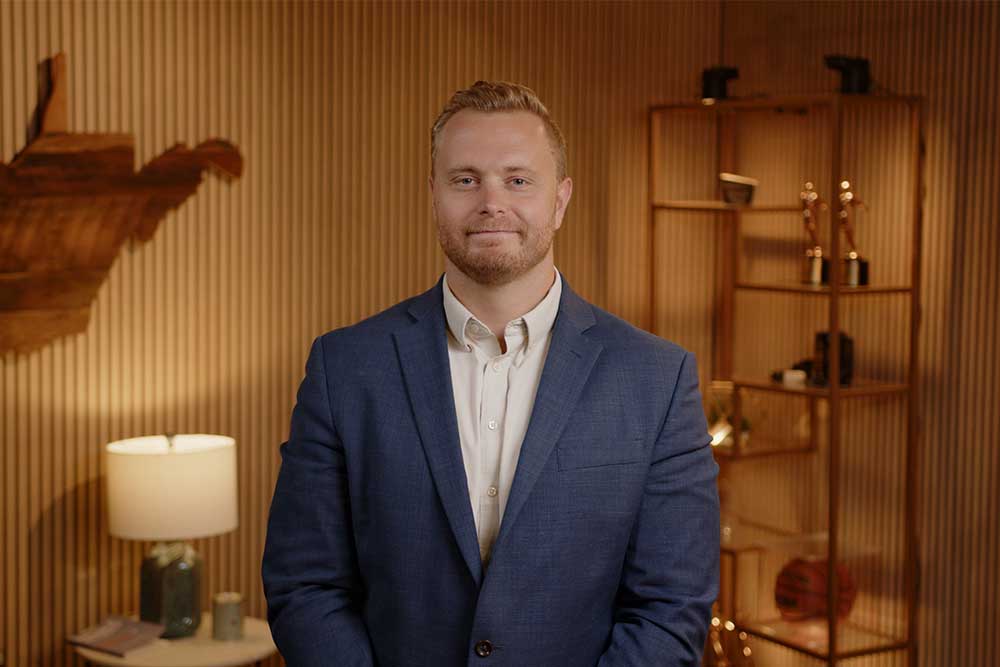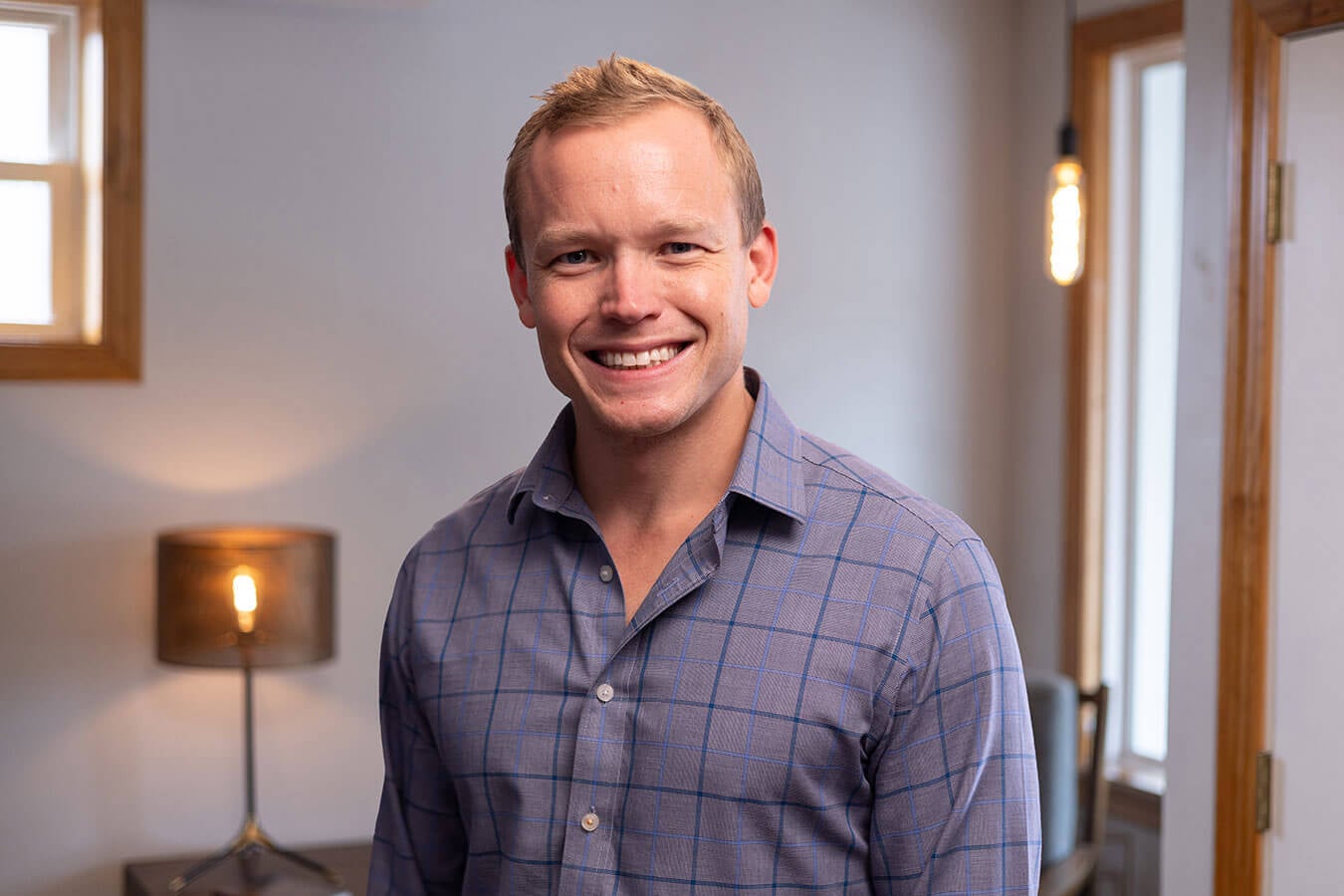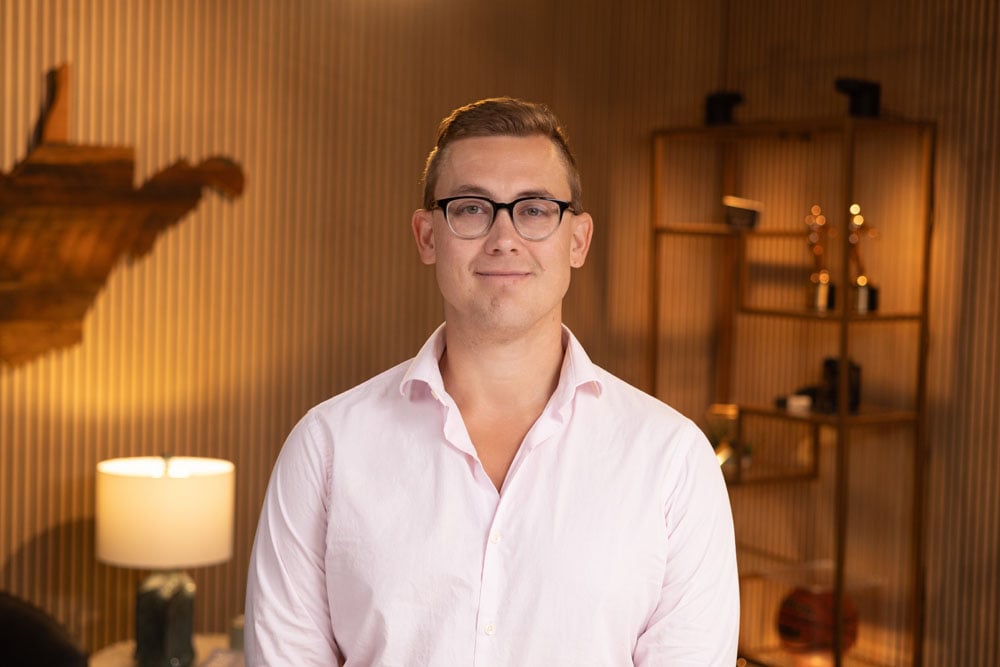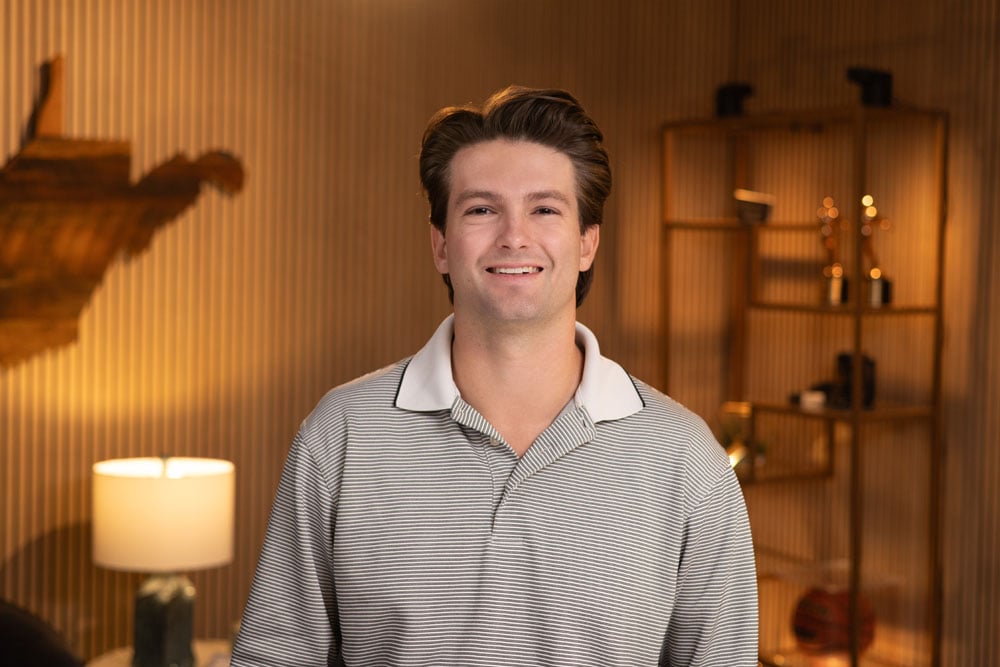

When a video features someone as recognizable as Tony Stewart, it would be easy to let the name do all the work.
For this project, that was never the goal.
The Story Beneath the Name
Yes, Tony Stewart was the hook. He is one of the most recognizable names in racing, and his story immediately gives the piece a level of attention and credibility. But the real story was never simply that a famous driver came to Charleston, West Virginia for care.
The real story was why.
Tony Stewart could go almost anywhere for orthopedic care. Instead, he continues to trust Dr. Phillip Surface and WVU Medicine Thomas Orthopedic Hospital.
That kind of trust does not happen by accident.
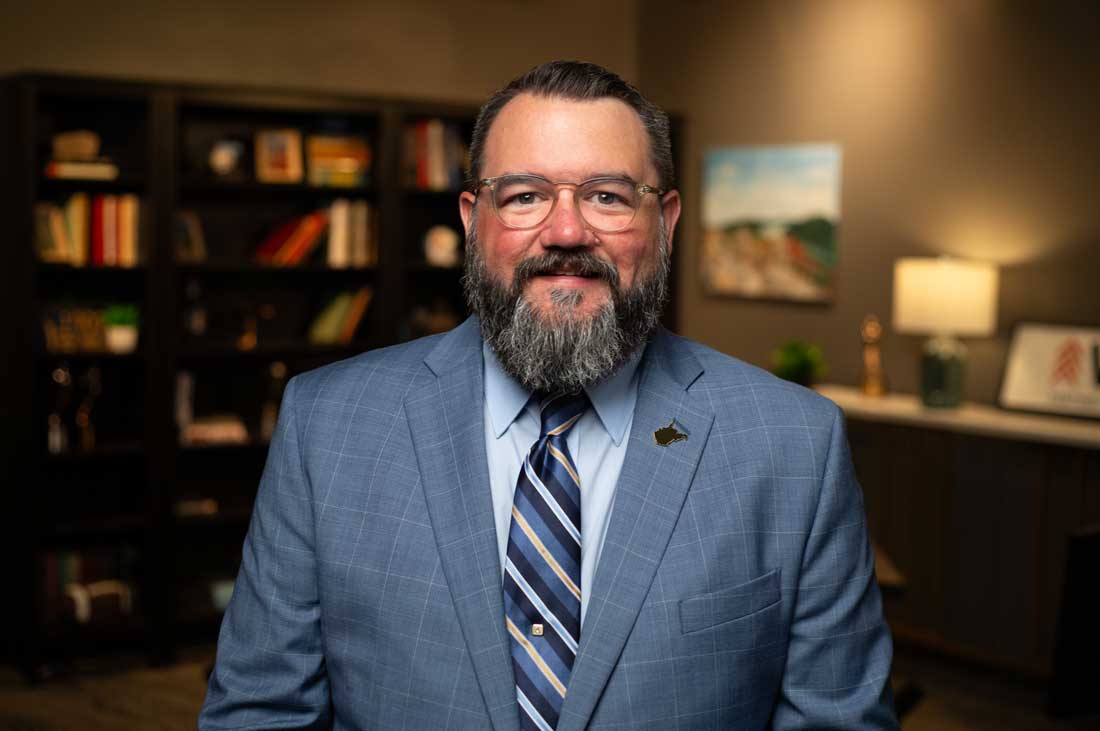
From the beginning, our team wanted this piece to showcase Dr. Surface’s commitment to care, both inside and outside the hospital. In addition to his work as an orthopedic surgeon at Thomas Hospitals, Dr. Surface serves as Chief Medical Officer for the NHRA. In that role, he has used his knowledge of orthopedics, racing and biomechanics to help make the sport safer for drivers.
That connection gave the story a unique layer.
Connecting Racing, Recovery and Real Care
This was not just a physician who treats racing injuries. This was a physician who understands the forces drivers experience, the pressure to recover safely and the importance of getting people back to what they love.
In the video, Tony talks about the physical demand of racing and what happens when a driver hits the gas. During a run, he explains, drivers can pull up to six positive G-forces.
“Physically, your body goes through a lot,” Stewart says in the video. “And that’s if everything goes right.”
That line helped frame the stakes of the story. Racing is intense. Injuries can change everything quickly. For someone competing at Tony Stewart’s level, the standard of care has to be high.
But the strongest message was not that elite athletes need elite care. It was that the same level of care Tony trusts is available to patients at Thomas Hospitals.
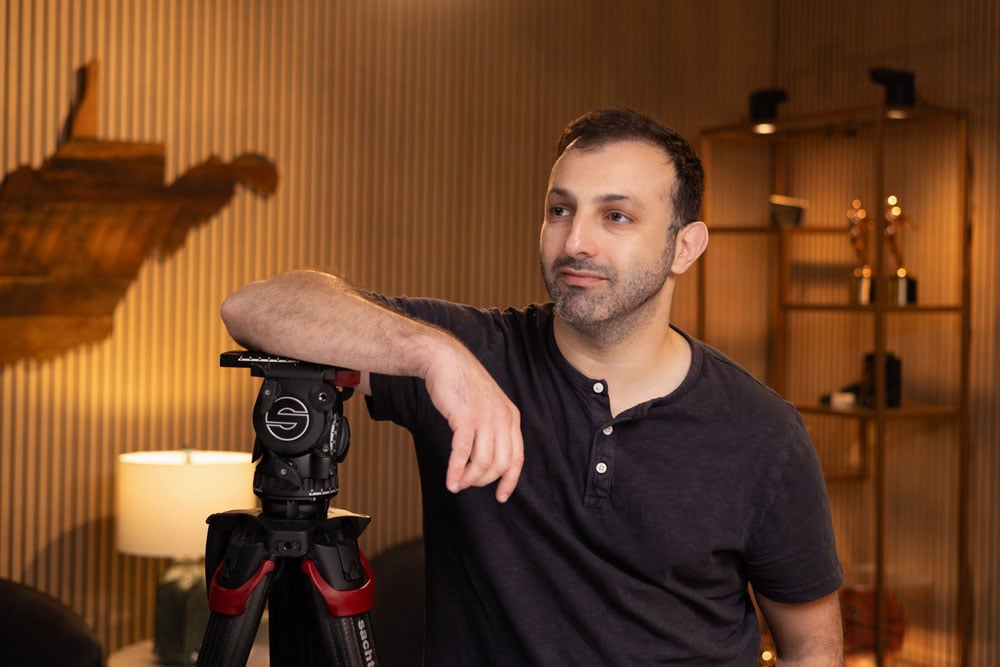
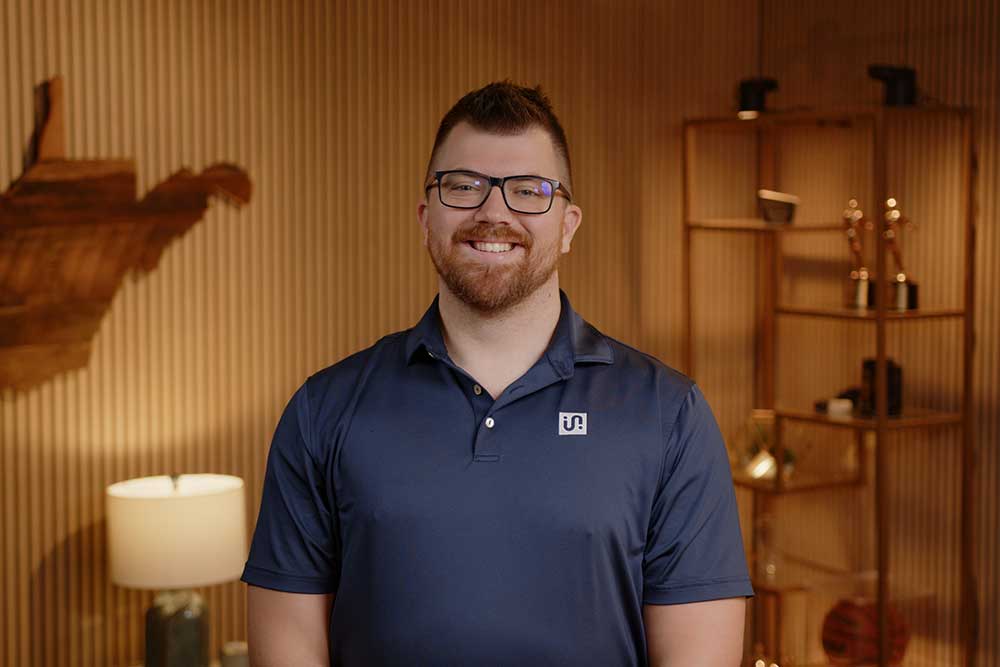
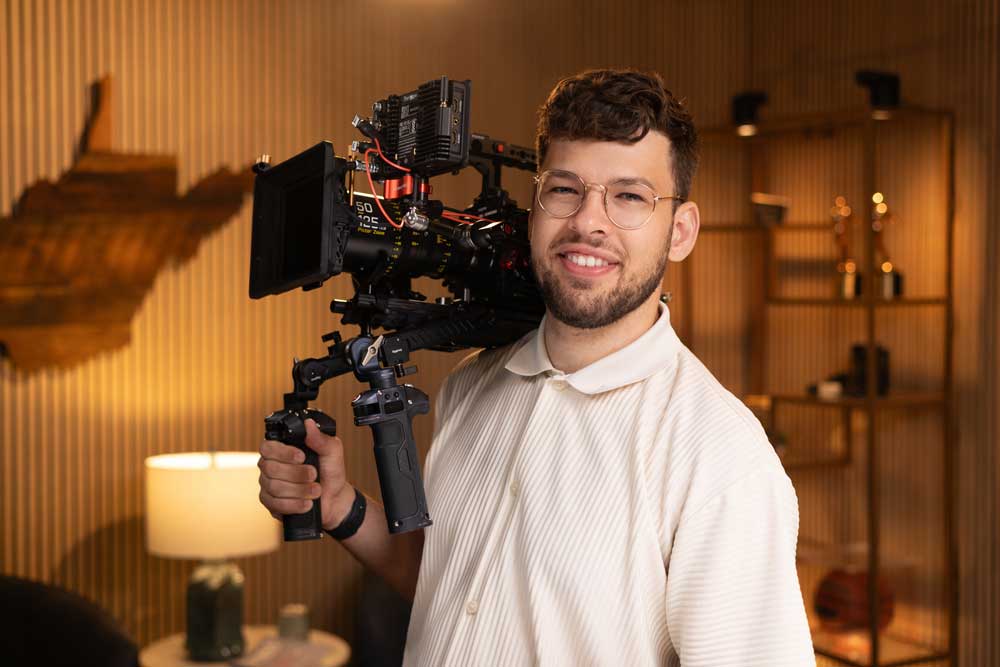
“Racing is intense and Tony Stewart is at the top of his game,” said Gabe Ofca, Director of Photography at Inner Action Media. “The standard of quality healthcare for a professional like him sets a high bar. WVU Medicine, with doctors such as Dr. Surface, can meet that demand for him and the entire racing community.”
For Gabe, highlighting Dr. Surface’s role as Chief Medical Officer for the NHRA was an important creative choice because it gave viewers context. It showed that Dr. Surface’s expertise is not limited to the operating room. He understands the body, the mechanics of impact and the real-world demands patients want to return to.
“We also wanted to demonstrate that the same level of care is available to all patients at Thomas Hospitals,” Gabe said.
That balance shaped the final piece.
Capturing the Trust That Was Already There
Tony’s story gave the video a strong entry point. Dr. Surface’s experience gave it credibility. The relationship between the two gave it heart.
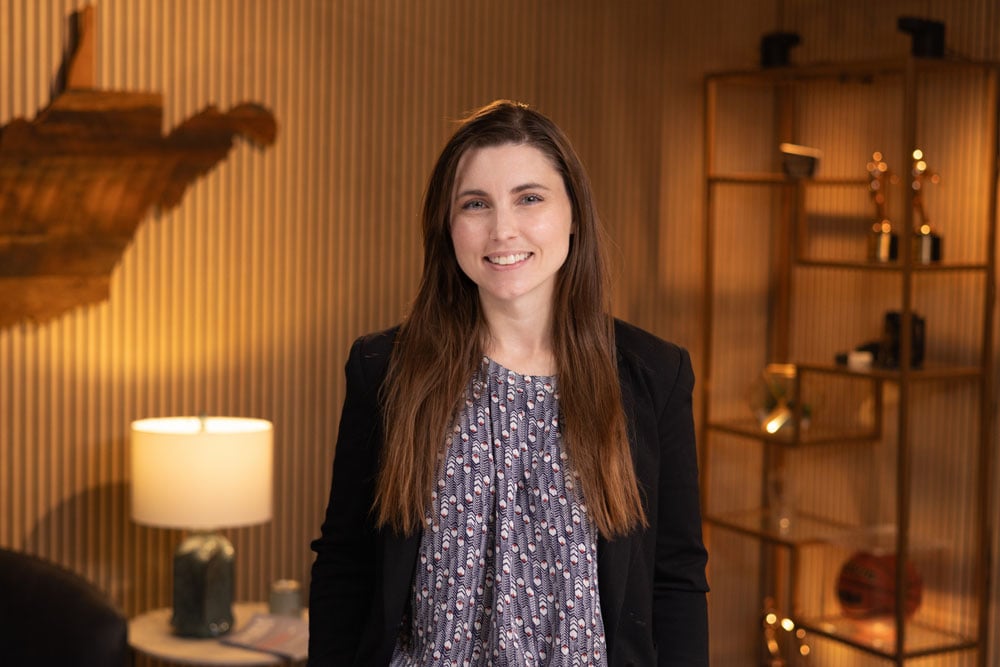
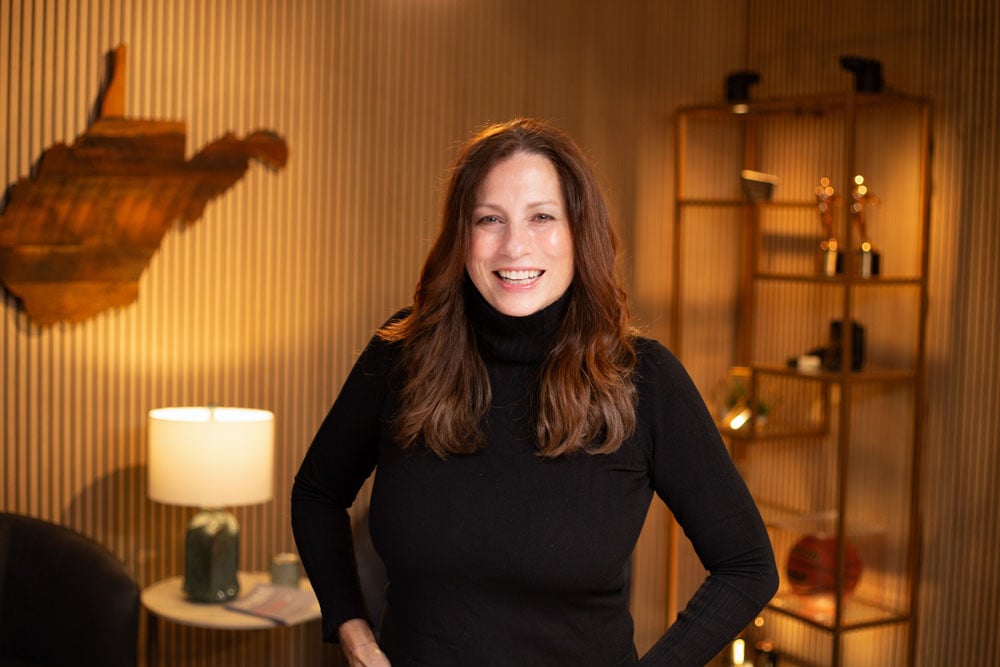
As Shayla Klein, Producer at Inner Action Media, explained, the goal was not to simply place a famous face in front of the camera and call it marketing.
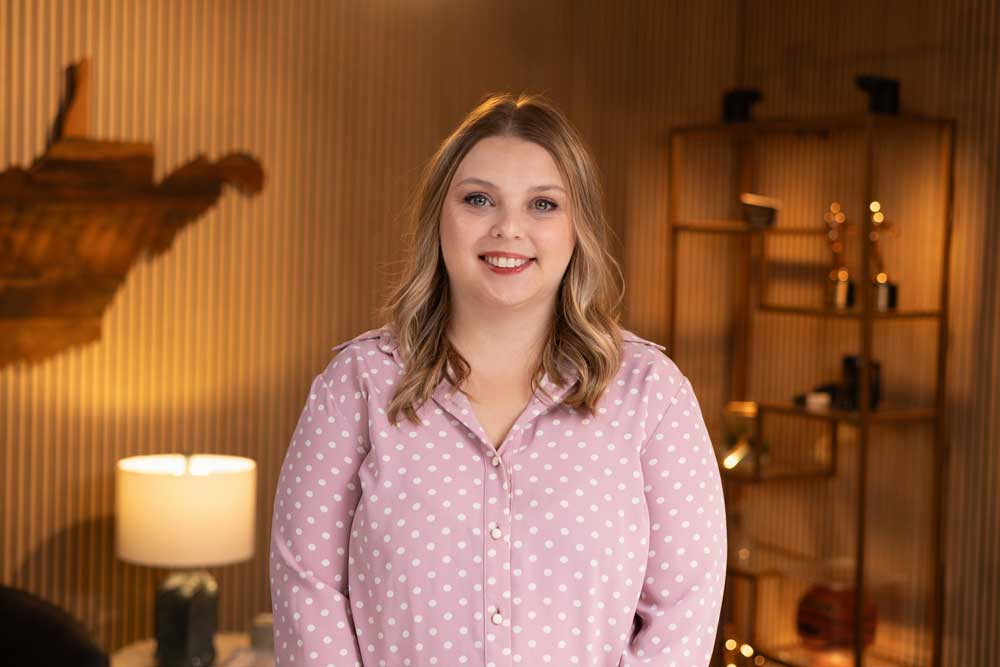
“I strive not to just slap a famous face on marketing materials and call it a day,” Shayla said. “I’m proud of the storytelling and authenticity that showed through. I tried to frame the piece so that even if someone is not familiar with Tony Stewart, they can still feel the heart of the message, and I think we achieved that.”
That authenticity came through during production.
When Shayla asked Dr. Surface about the trust his patients have in him, not just Tony Stewart, but all of his patients, tears came to his eyes.
“You can’t fake that kind of authenticity,” she said.
That moment helped clarify what the video was really about.
It was about a doctor who sees his patients as people with lives they want to return to. For Tony, that means getting back in the race car. For someone else, it may mean walking without pain, returning to work, playing with their kids or simply moving through the day with more confidence.
A Team Built Around Getting People Back
That message also connected naturally to Thomas Orthopedic Hospital itself.
As West Virginia’s only freestanding orthopedic hospital, Thomas Orthopedic Hospital brings orthopedic care together in one place. From imaging and clinics to surgical suites, recovery and physical therapy, the patient experience is built around helping people move through care more smoothly.
That mattered to the story because Dr. Surface makes it clear in the video that surgery is only one part of the process.
“The reality of it is I can’t do my job without a whole army of people working with me,” Dr. Surface says.
That line became an important thread in the piece. Tony Stewart and Dr. Surface may be the central figures, but the story is bigger than one patient and one physician. It is also about the nurses, therapists, surgeons, staff and care teams who help patients recover.
For healthcare storytelling, that distinction matters.
A strong patient story should do more than promote a service. It should help people understand what care feels like. It should make expertise personal. It should give viewers a reason to believe that the team on screen will care for them with the same attention, skill and commitment.
That was the heart of this project.
Tony Stewart brought the visibility. Dr. Surface brought the credibility. Thomas Orthopedic Hospital brought the full care experience.
Our job was to bring those pieces together in a way that felt honest.
From the speed of the racetrack to the quiet trust between a patient and physician, this story showed what happens when expertise and compassion meet.
You do not have to be a racing legend to receive care built around getting you back to the life you love.
If you want this level of intentionality to your story, we’d love to help you.