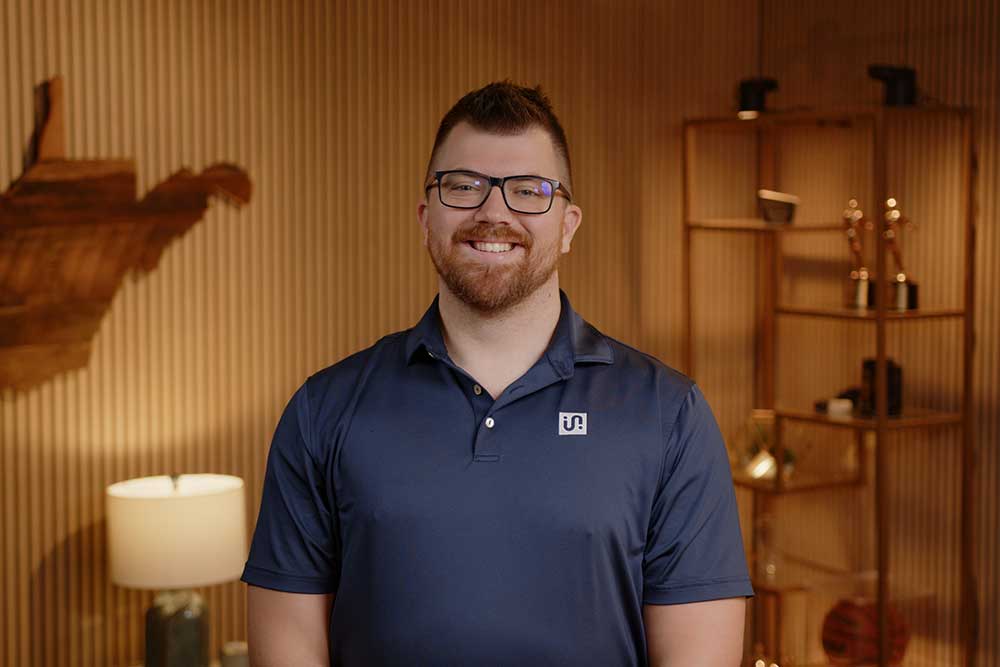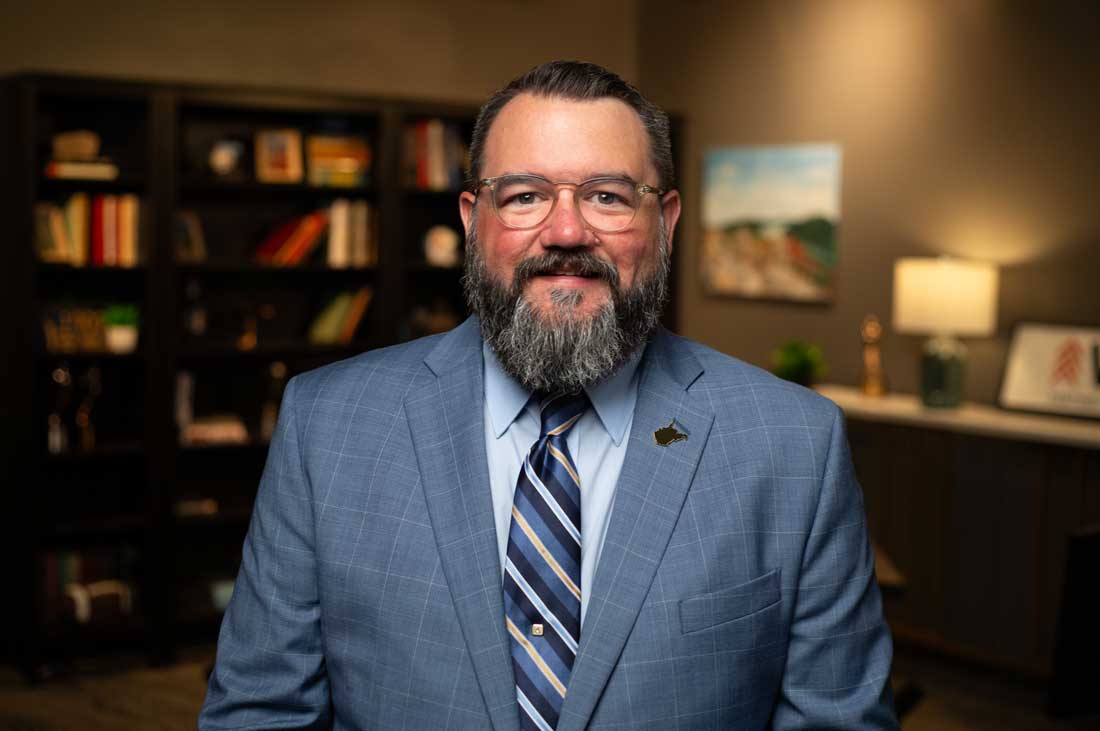
City Neon is a West Virginia–based signage company with more than 60 years of experience, known for bold design, skilled craftsmanship, and a deep connection to the communities they serve.
About City Neon
Since 1963, they’ve been building signs that become part of everyday life across the region. As the Tri-State’s largest full-production sign shop, their reputation has been shaped by more than size or output. It’s built on the people behind the work and the pride they bring to it.
Because members of the City Neon team are often building for places they know well, a lot of care goes into their signs. That connection shows up in the way projects are approached, in the attention to detail, and in the responsibility they feel when putting something permanent into a community.
For City Neon, a sign isn’t just a product. It’s a commitment.
Project Overview
This project marked a significant moment in City Neon’s history.
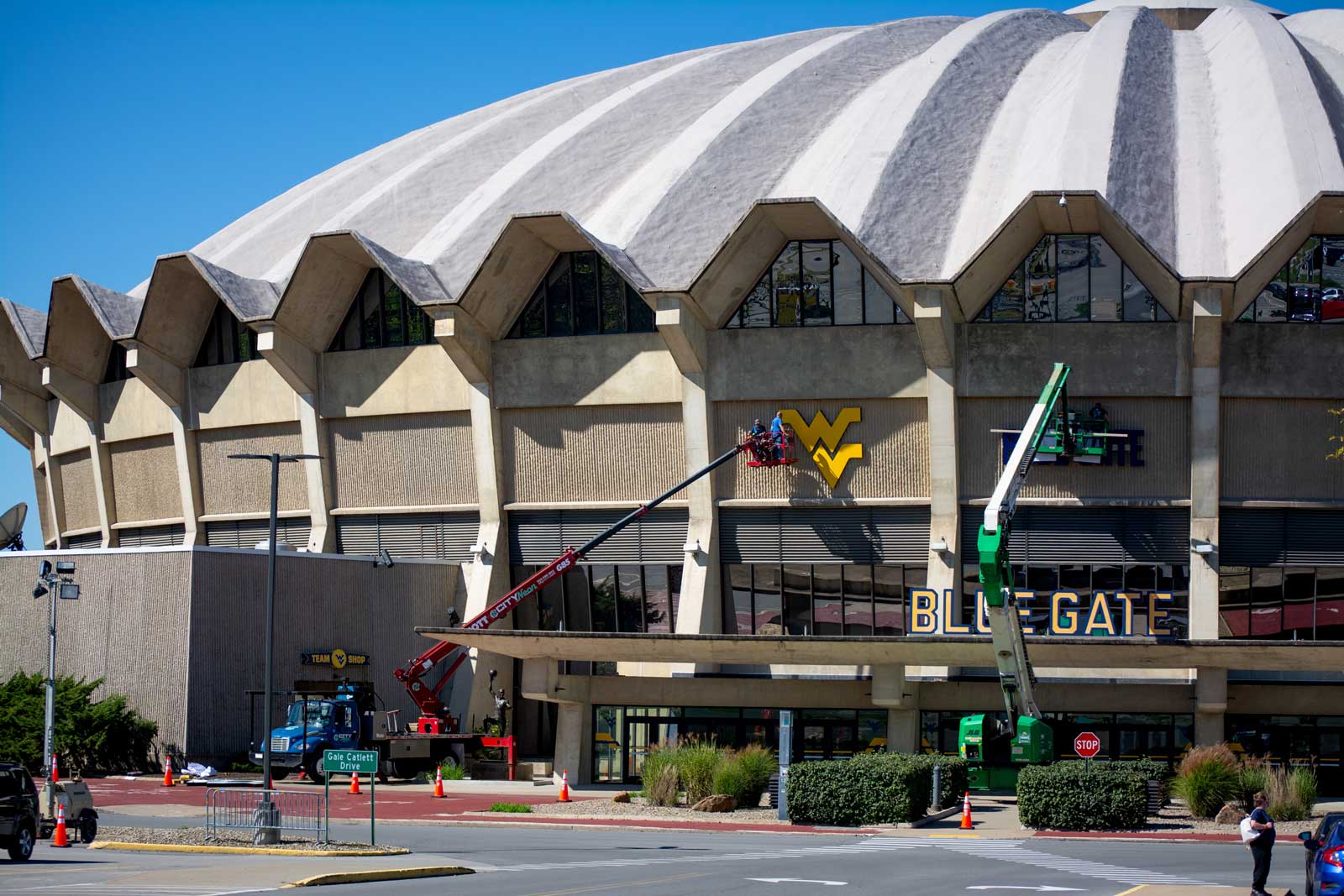
City Neon was selected to design and install the new signage atop the West Virginia University Coliseum, one of Morgantown’s most recognizable landmarks. Visible from across the city, the Coliseum holds decades of shared memories. Anything added to it becomes part of the skyline and part of the story.
City Neon wanted a video that reflected the weight of that responsibility. This wasn’t just about fabricating and installing a sign — it was about contributing to a landmark at the moment it entered a new chapter.
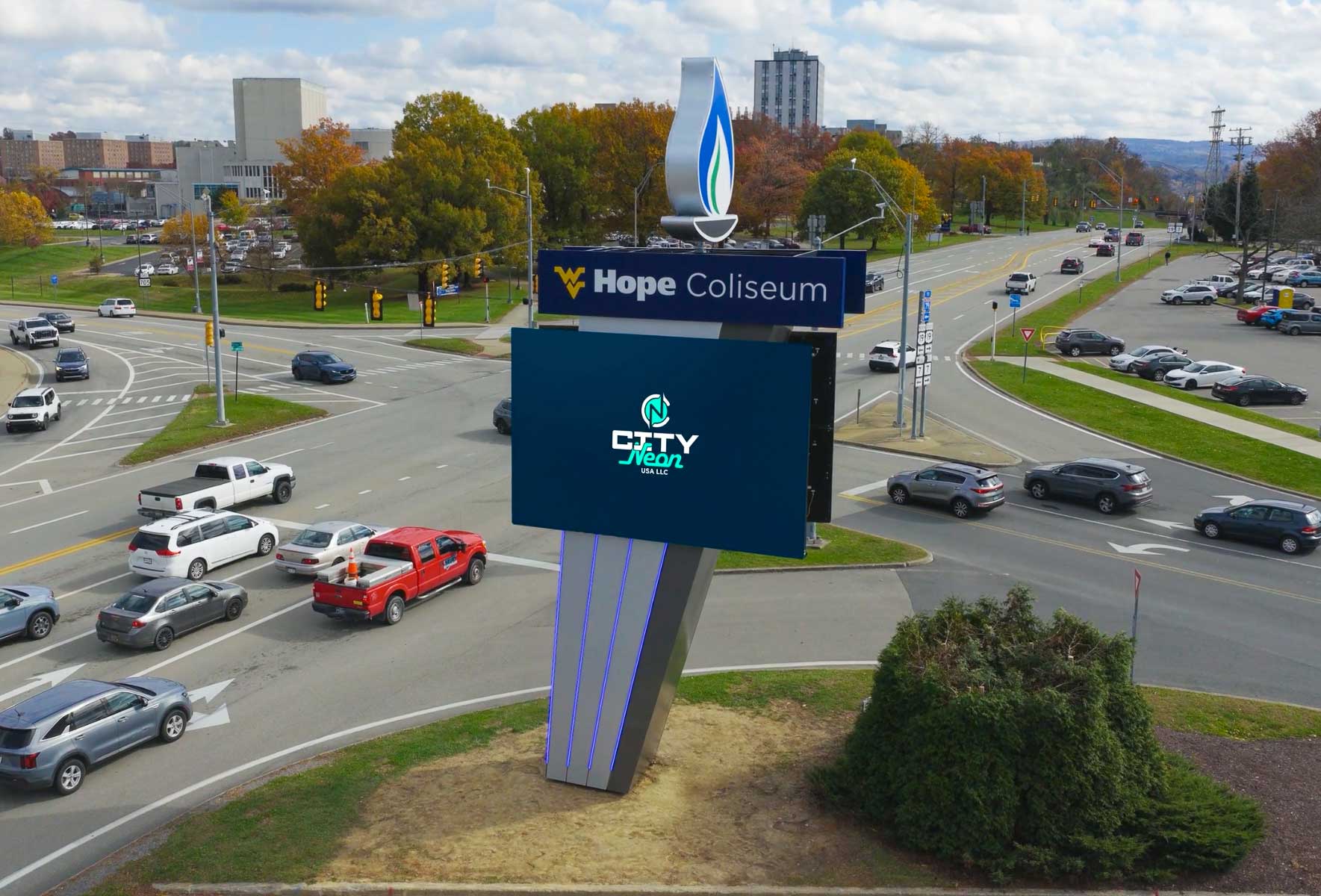
With Hope Gas investing in the Coliseum and the Morgantown community, the project became a shared statement of commitment, trust, and forward momentum. For City Neon, it marked a defining moment in their history — one that speaks to who they are today and where they’re headed next.
Our role at Inner Action Media was to help tell that story in a way that felt honest and true to City Neon, WVU Athletics, and Hope Gas.
The Challenge
This project brought together City Neon, West Virginia University, and Hope Gas–three organizations with deep roots in West Virginia and a shared responsibility to the community. The video needed to honor that collaboration.
With more than 60 years of experience behind them, City Neon wanted the story to be forward-facing. This moment represented growth, confidence, and continued investment in people, technology, and culture. The story needed to balance legacy with momentum.
Our Approach
We built the story around real conversations.
Rather than scripting soundbites, we asked the City Neon team what this project meant to them, not just as professionals, but as members of the community who will see this sign every day.
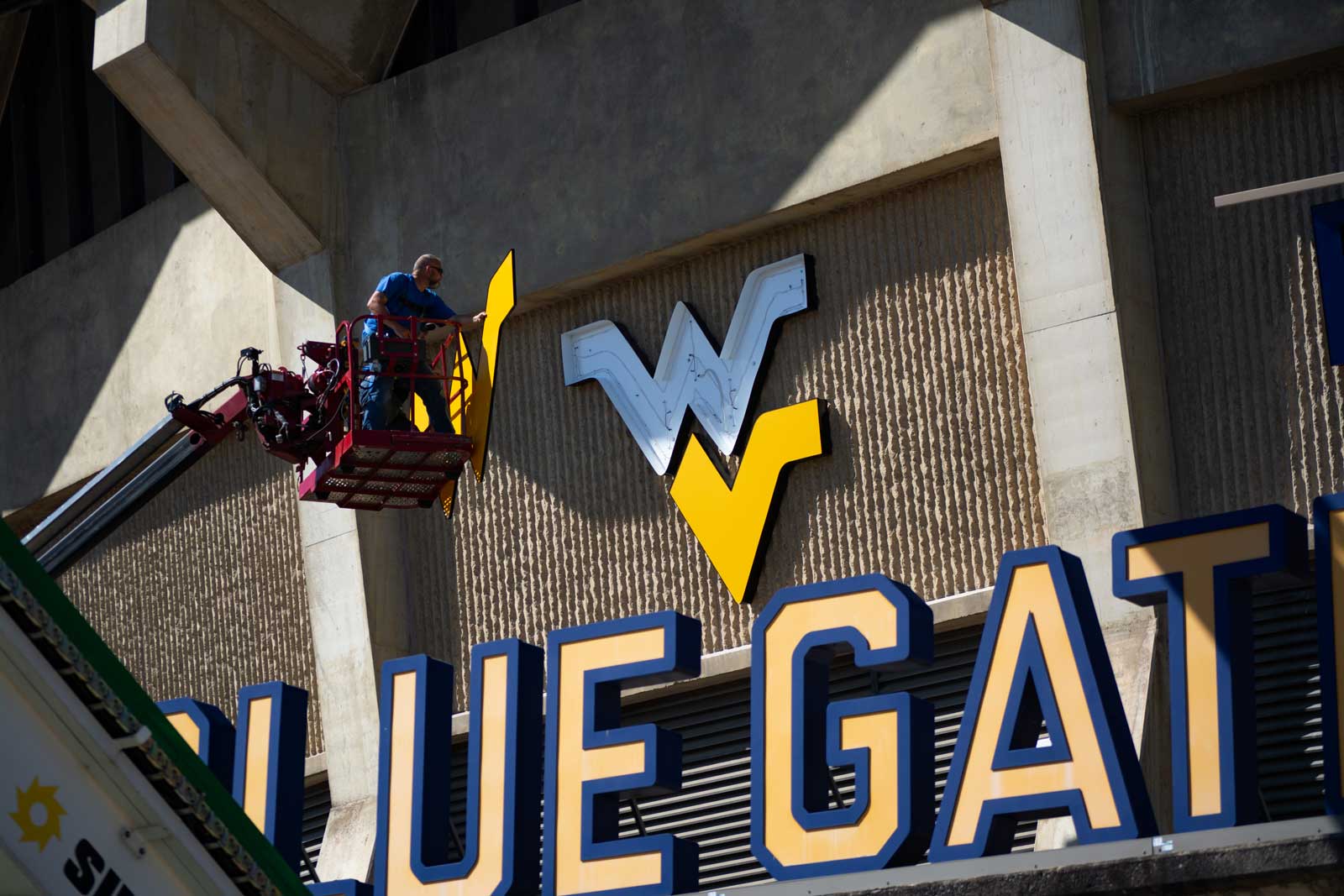
Visually, we focused on scale and presence. Wide shots of the Coliseum, views from across Morgantown, and moments that showed how visible and permanent this addition truly is.
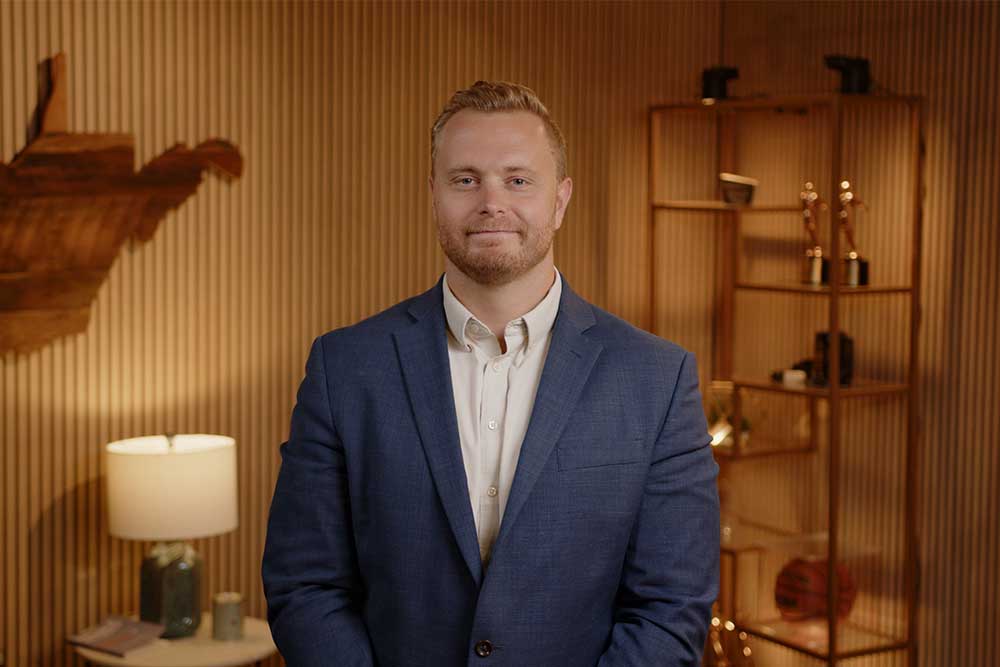
Through interviews with CEO Morgan O’Brien and Athletic Director Wren Baker, the film also acknowledges the relationships behind the work. WVU and Hope Gas are community decision makers in Morgantown, WV. For City Neon, collaborating with institutions like WVU and Hope Gas meant operating at a higher level of trust, precision, and accountability.
The goal was to connect what people see when they drive past the coliseum with what they don’t see behind the scenes. The training. The trust. The investment. The belief in what comes next.
That connection became the backbone of the film.
Results
The finished video gives City Neon a clear, confident way to talk about this project and what it represents. It captures a defining milestone while reinforcing their values, craftsmanship, and long-term vision.
More than a one-off piece, the video positions City Neon as a trusted authority in sign making in Morgantown — a company capable of taking on highly visible, high-stakes projects that become part of the city itself. It reflects deep experience, earned trust, and the ability to deliver at scale.
Just as importantly, it captures a genuine sense of pride. Pride in the work, in the collaboration, and in contributing something lasting to a place they call home.
Why This Story Matters
This project is a reminder that the strongest stories don’t need to be manufactured. They already exist in people who care deeply about their work and companies that invest in their communities with intention.
It was a privilege for us at IAM to help document a moment of progress in our own community and tell a story that’s still being written.